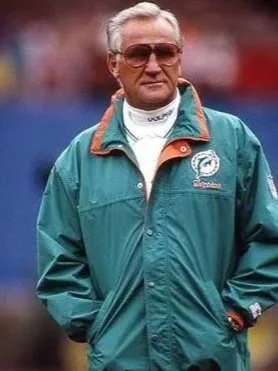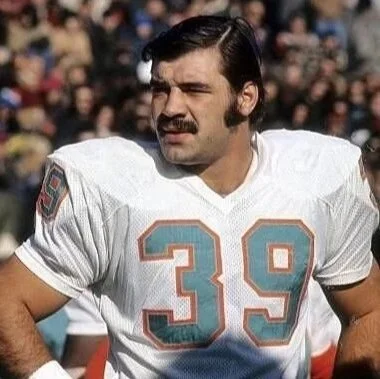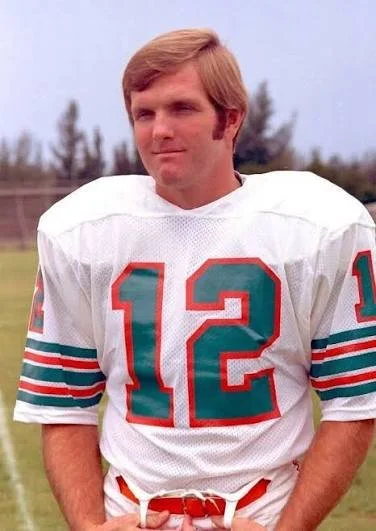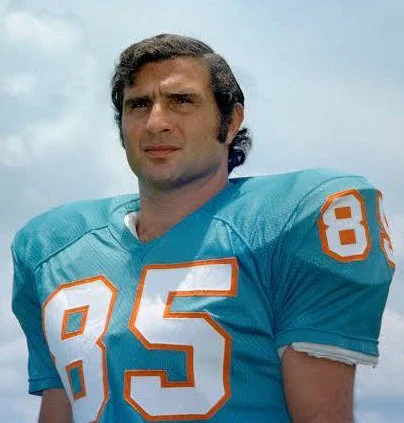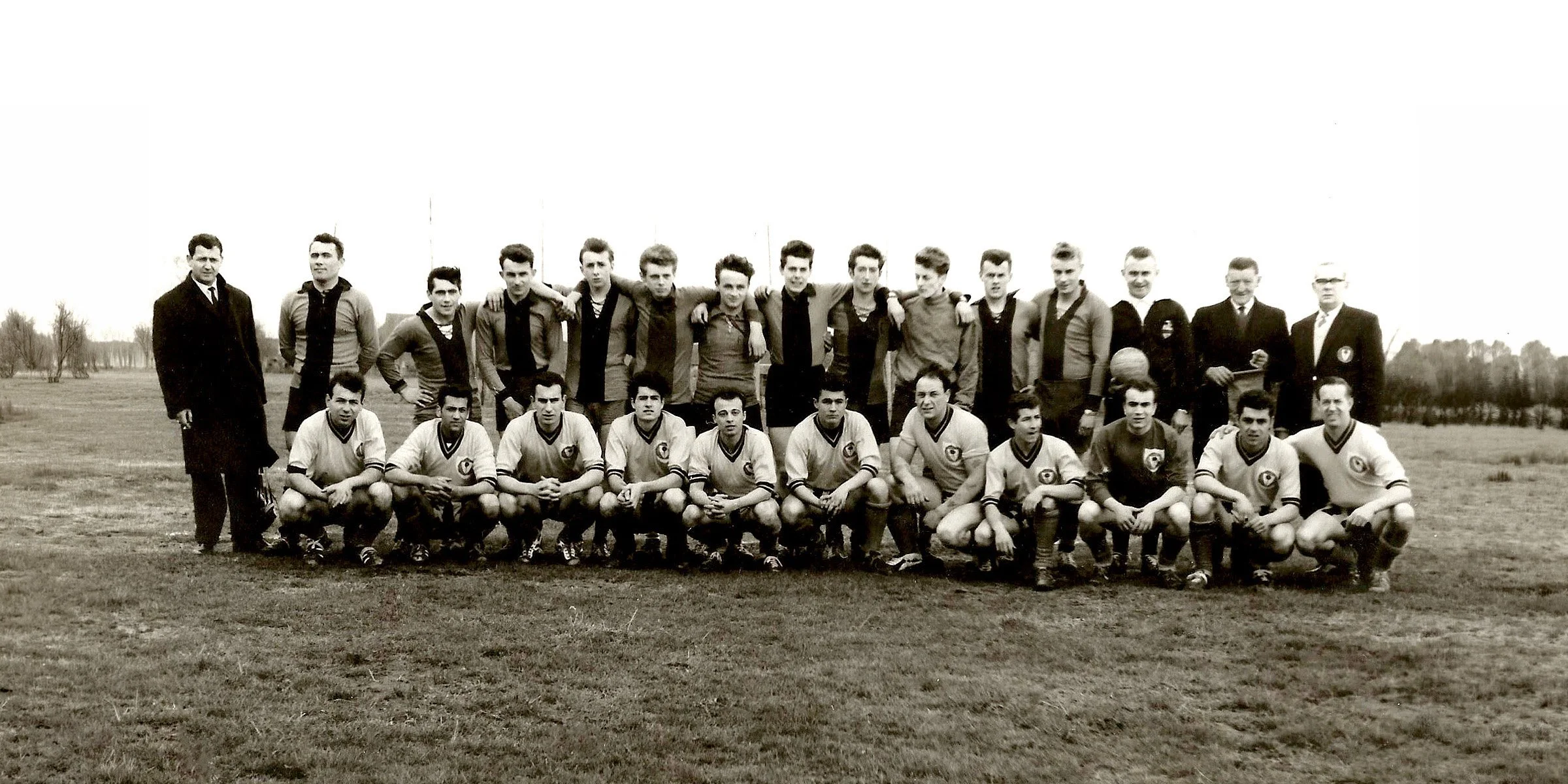
Garo (lower left) with the North Middlesex Sunday Football League in England, early 1960s
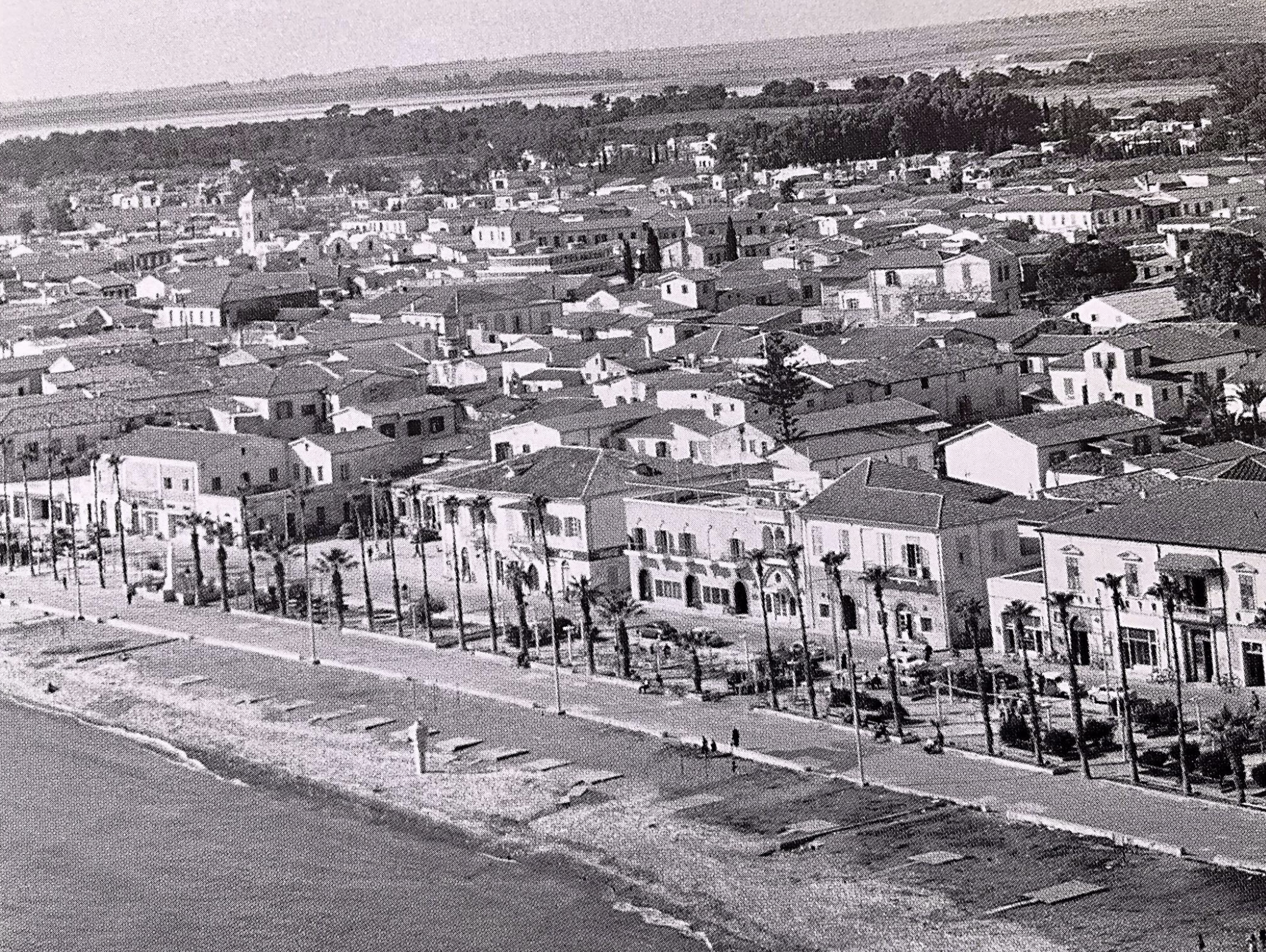
In a small village in Cyprus, a soccer ball was the only gift he ever asked for.
In early 1950s Larnaca, Cyprus, Garo Yepremian was a young boy growing up in an Armenian family that had already endured the upheaval of displacement. His parents, Azadouhi and Sarkis, had had built a new life for their family in Cyprus. Azadouhi worked as a seamstress, while Sarkis was a fabric salesman. Life was modest, but Garo had one passion that seemed to know no boundaries: soccer.
Each year for Christmas, his parents could only afford to give Garo the one gift he wanted most—a new soccer ball.
He kicked the ball daily on the streets on his way to school, on his way home, on dry, rocky playing fields, and against the humble village’s church wall until dark, when the priest came out and chased him away. Before long, the ball no longer held air and started falling apart, but his mom had a solution. She stuffed fabric remnants into the ball so he could continue playing with it.
Pictured: The humble second floor Yepremian residence in Larnaca

salesman, soccer captain, survivor.
Garo was a born salesman. As a child in Cyprus, he helped support his family by selling bottles of Coca-Cola to Greek soldiers engaged in conflict with Turkey on the island. He also traveled with his father, selling and delivering fabrics from their truck.
Propelled by his love of soccer, Garo became captain of a men’s traveling team at just 14. When the worsening conflict forced Garo and his family to relocate to England, he quickly immersed himself in the country’s soccer culture, playing for local amateur and semi-pro clubs.
An ocean away, his brother saw something that would change both their lives.
Garo’s older brother, Krikor, was sponsored by a generous family in Cyprus to study law in the United States, at Indiana University. One weekend in 1966, his friends invited him to a football game. Krikor saw someone kick the ball. “My little brother can kick much better than that,” he said to his friends, who thought he was joking. Krikor immediately made a phone call. “Garo, if you come here and kick a ball, you can get a free education and have a much better life than you have back home.” “I thought I had a pretty good life in England,” recalled Garo. “I even had my own car, a Ford Anglia. I was working at a fabric warehouse during the day, and playing my guitar at my dad’s café bar at night.”
After a visit to England, Krikor finally convinced Garo to join him in Indiana and bought him an airline ticket. Garo carried his guitar (pictured) on the plane, telling his parents, “when people see me with it, they’ll think I’m somebody.” He told his friends in England that he was going to be successful enough in America to buy his dream car, a 1966 Ford Mustang.
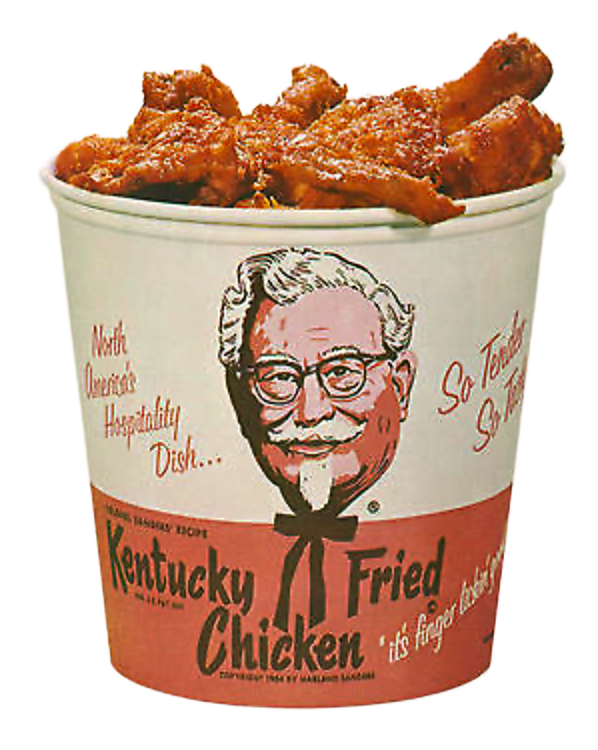
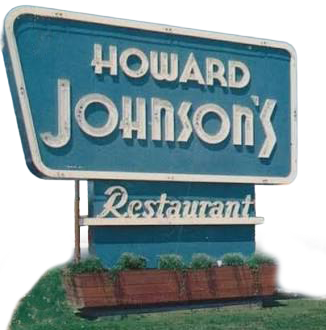
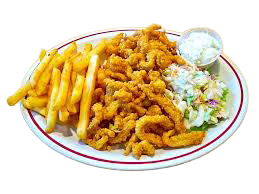
Garo quickly fell in love with 1960s Americana, especially the Colonel’s secret recipe, and Howard Johnson’s fried clams. “Garo, I didn’t bring you here for an eating contest, we need to get to work,” said Krikor.
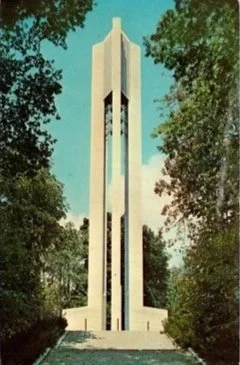

An encounter with a legendary coach at Butler University set an impossible path in motion.
“Straight-on” kicking was standard in football. Players typically approached the ball in a straight line and kicked it with their toes. Garo approached at a 45-degree angle, striking the ball with his instep for greater control and accuracy. Only two soccer-style kicker existed in the NFL, Pete Gogolak (NY Giants) and brother Charlie (Redskins).
Krikor had to teach Garo how to kick an American football, which he had never seen before. They could afford only one ball. Krikor held it while Garo kicked, then Garo would retrieve it. They practiced daily at local fields, rain or shine.
At first, Krikor was discouraged by Garo’s lack of height on his kicks. Then he had an idea: he reminded Garo of the church wall back home in Cyprus and told him to envision kicking the ball against it rather than focusing on the goalposts. It worked. After six weeks, Krikor decided Garo was ready.
He arranged a tryout at Notre Dame, hoping fellow Armenian Ara Parseghian, the head coach, would give Garo a chance. But when the brothers arrived in South Bend, they were told Parseghian was unavailable and were directed to a low-level athletic department assistant. Dismissing Garo because of his small stature, the assistant gave them a form to complete and promised a call that never came.
Garo began doubting Krikor’s plan, but Krikor remained unwavering. “We are going to drive back home and get back to practice.”
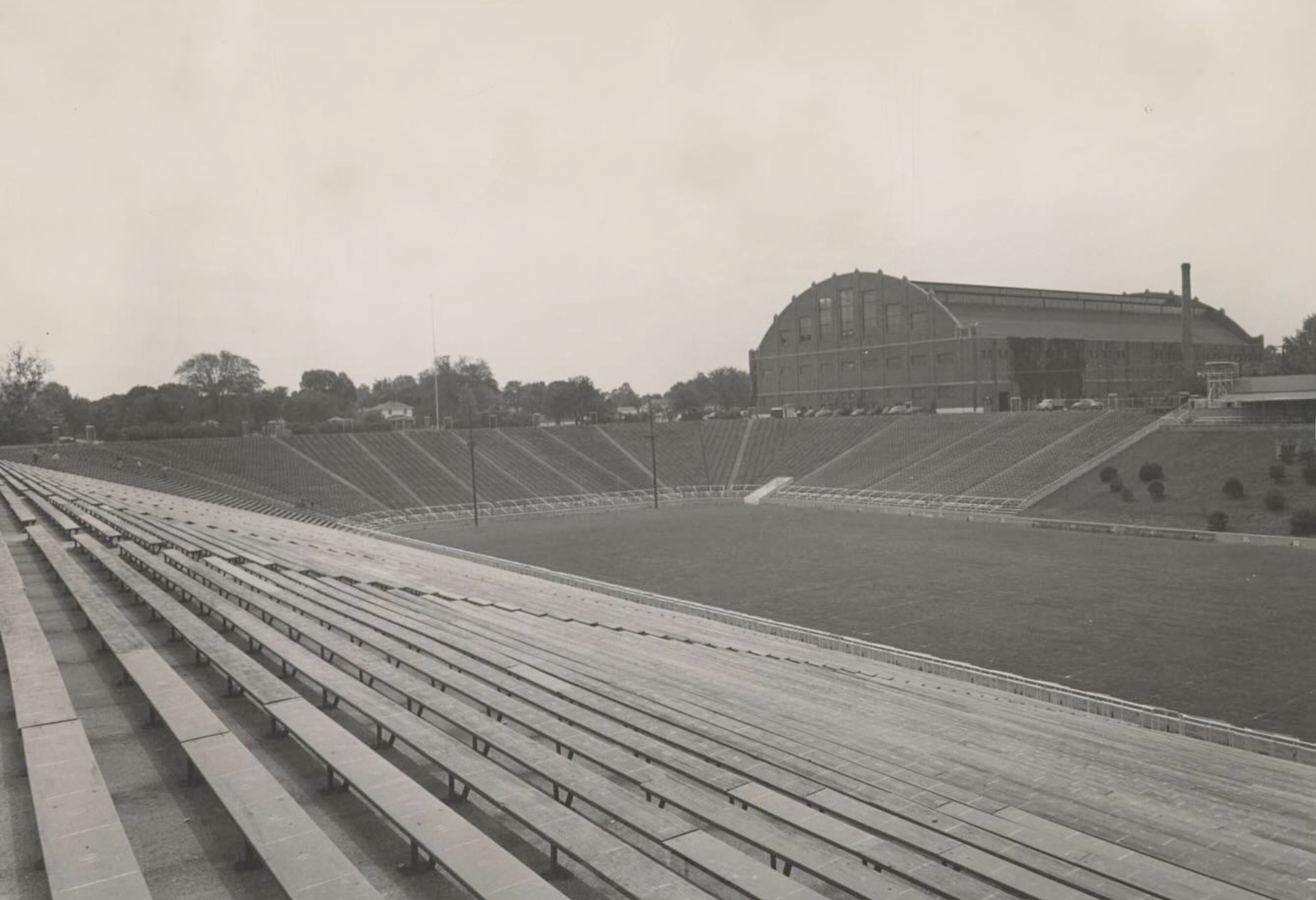
The brothers often practiced at Butler University’s Butler Bowl, where the goalposts were usually in place. One day, a man riding a bicycle around the track stopped to watch Garo kick. He introduced himself as Tony Hinkle, Butler’s head football coach and a future Basketball Hall of Famer. Hinkle offered Garo a partial scholarship and found local sponsors to cover the rest of his tuition.
Because Garo lacked a high school diploma, he was admitted under special conditions and had to prove he could handle the academics before officially joining the school and practicing with the team.
Then came another setback: Garo was ruled ineligible under NCAA rules because he had played semiprofessional soccer. Krikor remained undeterred. He began writing to every NFL and AFL team, determined to find his brother an opportunity.
A new way of kicking. A wave of skepticism. A kid who refused to back down.
Two teams offered Garo tryouts: the Atlanta Falcons and Detroit Lions.
After a successful audition in Atlanta, Garo was offered $13,000 for one year—a fortune compared with the $26 a week he had earned in England. He turned to Krikor and said in Armenian, “Let’s go ahead and sign.” But Krikor had other ideas: “Are you crazy? We’ve got a fish on the hook here.” He told Atlanta they would visit Detroit first, promising to give the Falcons a chance to match any offer.
As they were leaving, Atlanta’s general manager called out, “Would it help if we threw in a new car?” Garo’s ears perked up. He hadn’t forgotten his Mustang dream. Krikor still wouldn’t budge, and the brothers argued all the way home.
At Detroit’s Tiger Stadium, curious Lions players watched in amazement as Garo’s soccer-style kicks sailed through the uprights with a distinctive sound. Veteran Alex Karras shouted, “Bring the pen and paper and sign him right here on the field!” Head Coach Harry Gilmer was equally impressed. “I want this boy for the Sunday game,” he told team owner William Clay Ford. “Do whatever you have to do to sign him.”
The Lions offered $20,000 a year for three years, plus a $10,000 signing bonus. Atlanta declined to match, and Garo became a Lion—and soon the proud owner of a white 1966 Mustang.
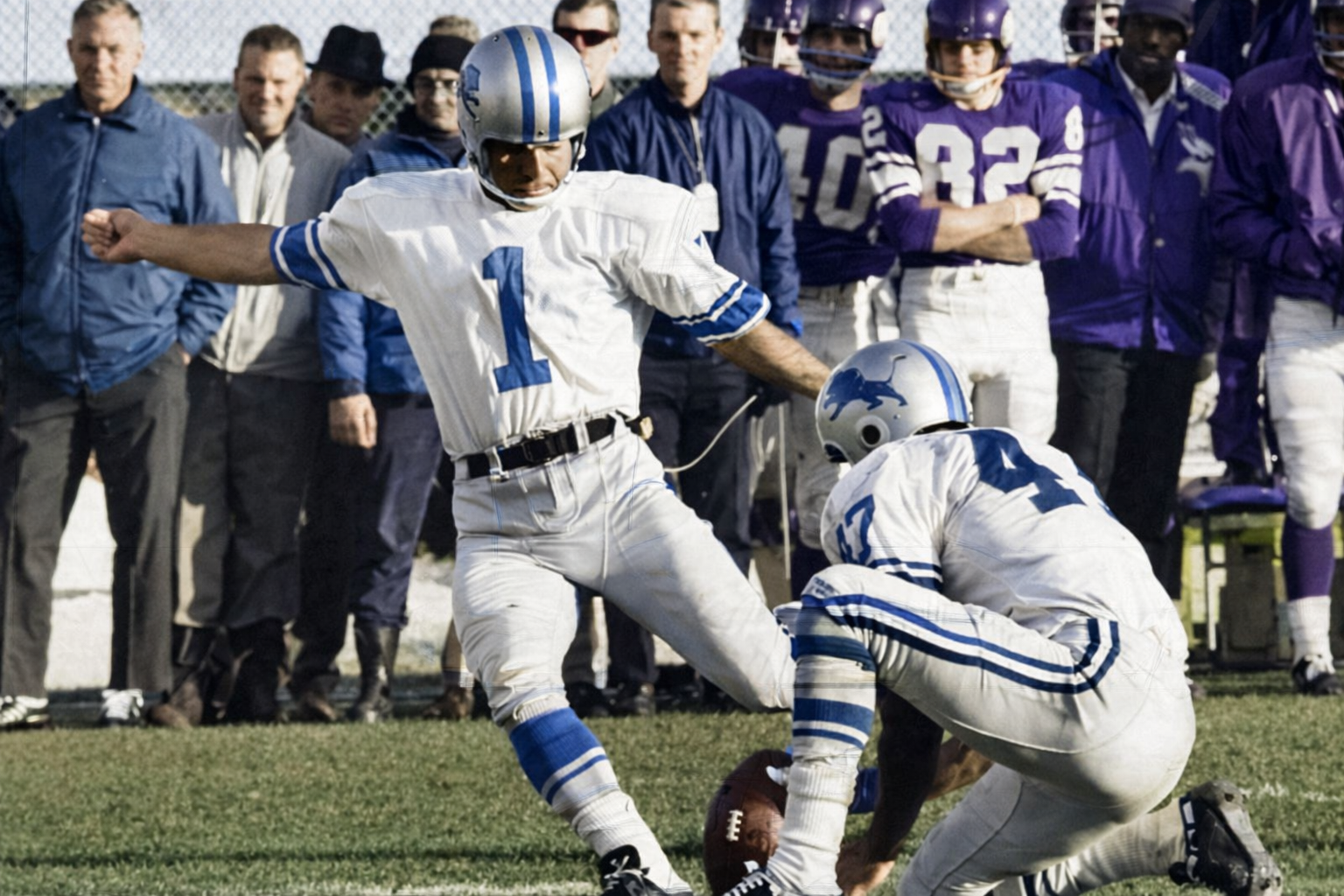
In a remarkable turn of events, the 5'7", 142-pound immigrant soon found himself at Baltimore’s Memorial Stadium, playing Johnny Unitas and the Colts in the first football game he had ever played.
Garo faced plenty of skepticism. Players resented the “specialist” whose sole job was to kick, and opponents took cheap shots. Green Bay great Ray Nitschke once struck Garo in the mouth with his forearm, causing him to cough up blood for two weeks and prompting him to add a facemask to his helmet.
Some of his own Lions teammates bullied him as well, mocking his broken English and small stature. Then, in 1967, one of Garo’s strongest supporters, Coach Gilmer, was replaced by former Lions great Joe Schmidt, who was skeptical of the emerging soccer-style kicking trend.


When Uncle Sam came calling, Garo didn't look for a way out — he looked for a way to serve.
In 1968, Garo was drafted by the U.S. Army. When he was advised that he could avoid serving by leaving the country and returning at a later date, he quickly rejected that option. “I love this country, and I want to do the right thing.”
“My friends told me that I'd better get in shape for basic training at Fort Leonard Wood, Missouri, and I said, ‘No problem, I've been to football camp.’ I went to basic, and I found out it was 100 times tougher than what I’d been through.”
He called home during the first week of drills and spoke to his brother. “It’s unbelievable, Krikor. Every single part of my body hurts.”
He went on to serve his active duty at Fort Carson, Colorado.
“The Army made me stronger, more determined, and gave me a deeper appreciation for this great country. It made me a better person.”
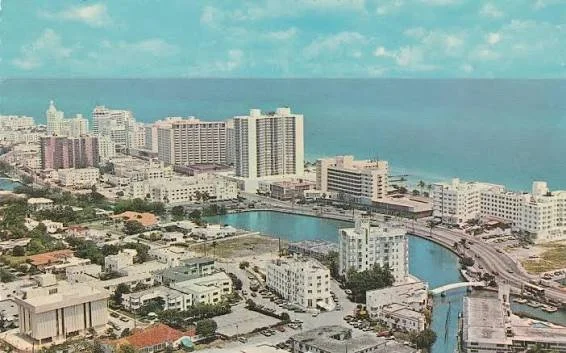
Don Shula saw what many coaches couldn't. Miami would never be the same.
Shortly after Garo returned from active duty, the Lions released him. Coach Joe Schmidt told him, “We don’t think soccer-style kicking will ever catch on in the NFL—we believe it’s just a fad.”
Garo signed with the struggling Michigan Arrows of the Continental Football League, but when the team left Detroit, he decided to sit out the 1969 season.
Then, an unexpected opportunity arose. Garo visited the Lions’ facility to pick up some paperwork, and Vice President Edwin J. Anderson asked what he was doing. “You’re too good a kicker to not be on an NFL club,” Anderson told him. Garo explained that he had written letters to NFL teams but could no longer afford the long-distance phone calls. Anderson offered to help: “Do you mind if I send out a few letters?”
One went to Don Shula, who had just become head coach of the Miami Dolphins. Shula had previously worked as a defensive assistant in Detroit and greatly respected Anderson’s judgment. He invited Garo to training camp.
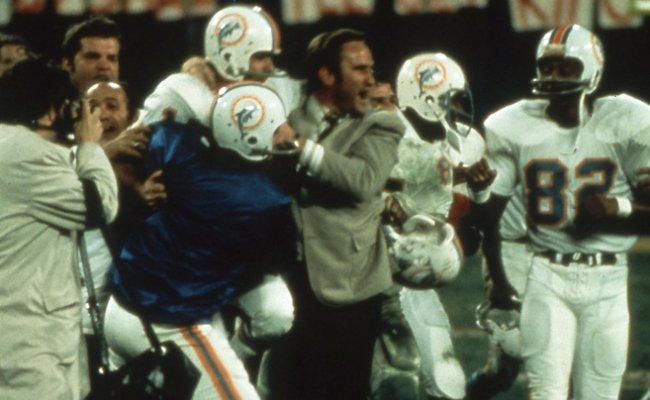
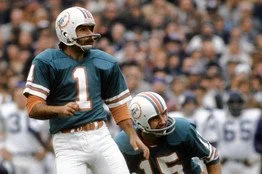
Garo battled incumbent kicker Karl Kremser for the job, but Shula ultimately chose him. That decision paid off. Garo’s left foot became a key part of Shula’s record-setting 347 victories, including the winning 37-yard field goal in the second sudden-death overtime of the 1971 AFC Divisional Playoff against the Kansas City Chiefs—the longest game in NFL history at the time.
Garo became a cornerstone of the Dolphins dynasty, helping the team win back-to-back Super Bowls while becoming a fan favorite for his outgoing, relatable personality. He also joined the Florida National Guard, where he was recognized as one of the state’s top recruiters.
Years later, Garo ran into Joe Schmidt again. Schmidt joked, “Garo, when you go to bed at night, do you pray for me? Because if I hadn’t let you go, you would have never joined the Dolphins and been a part of that great team.”
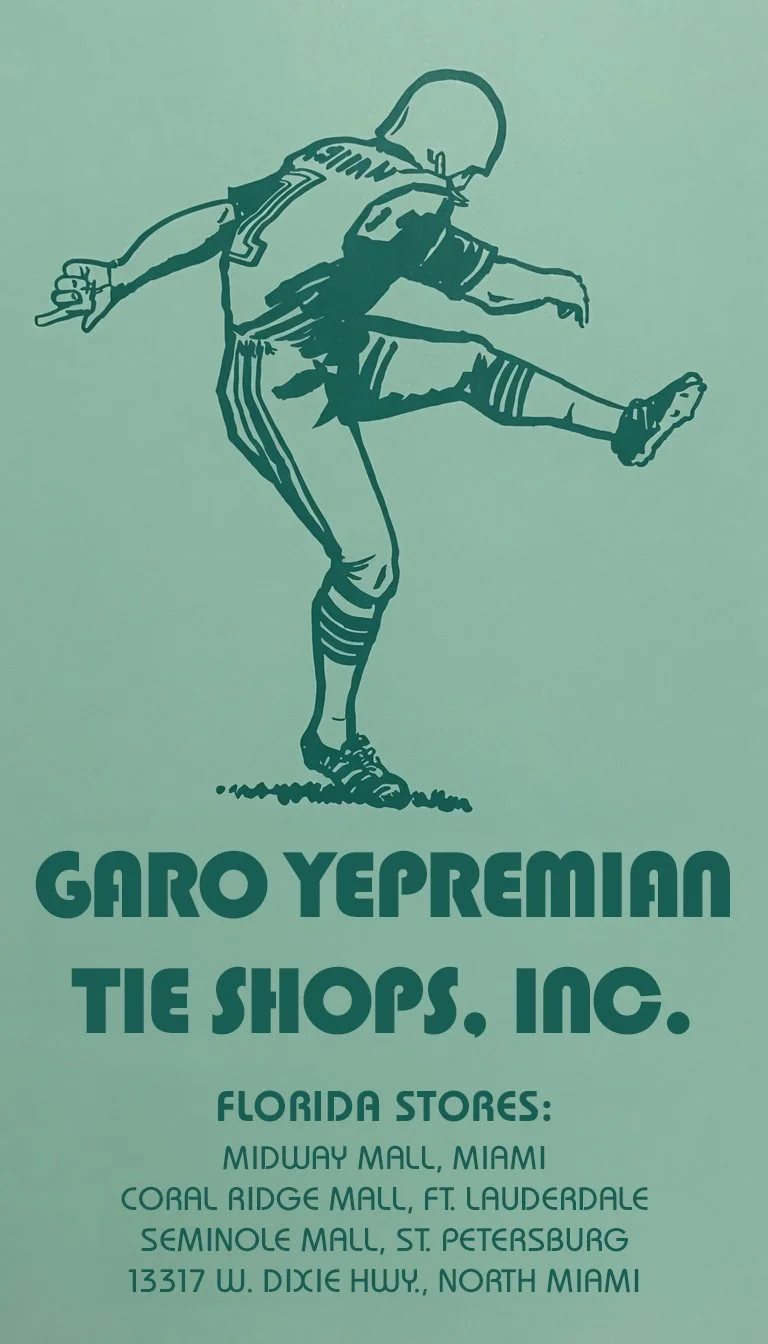
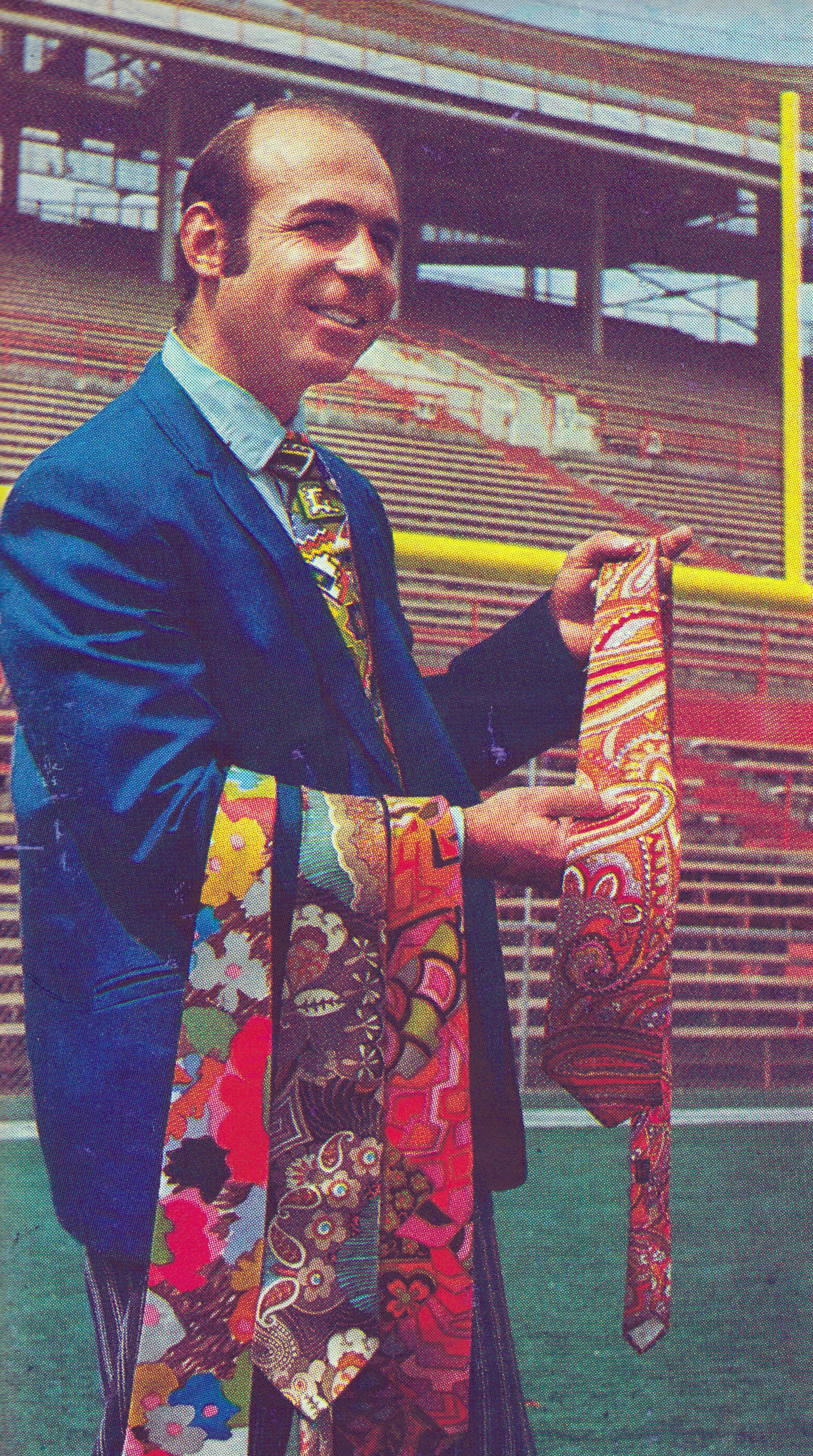
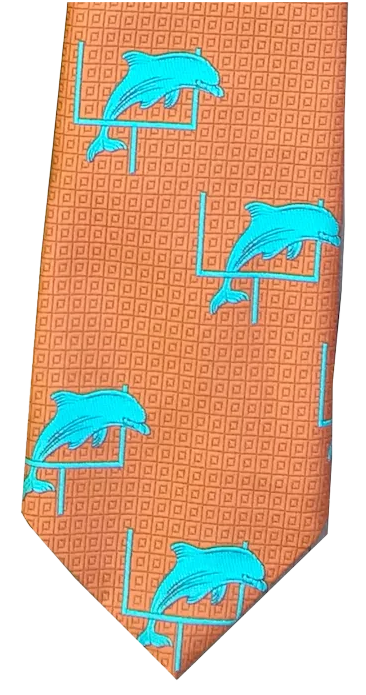
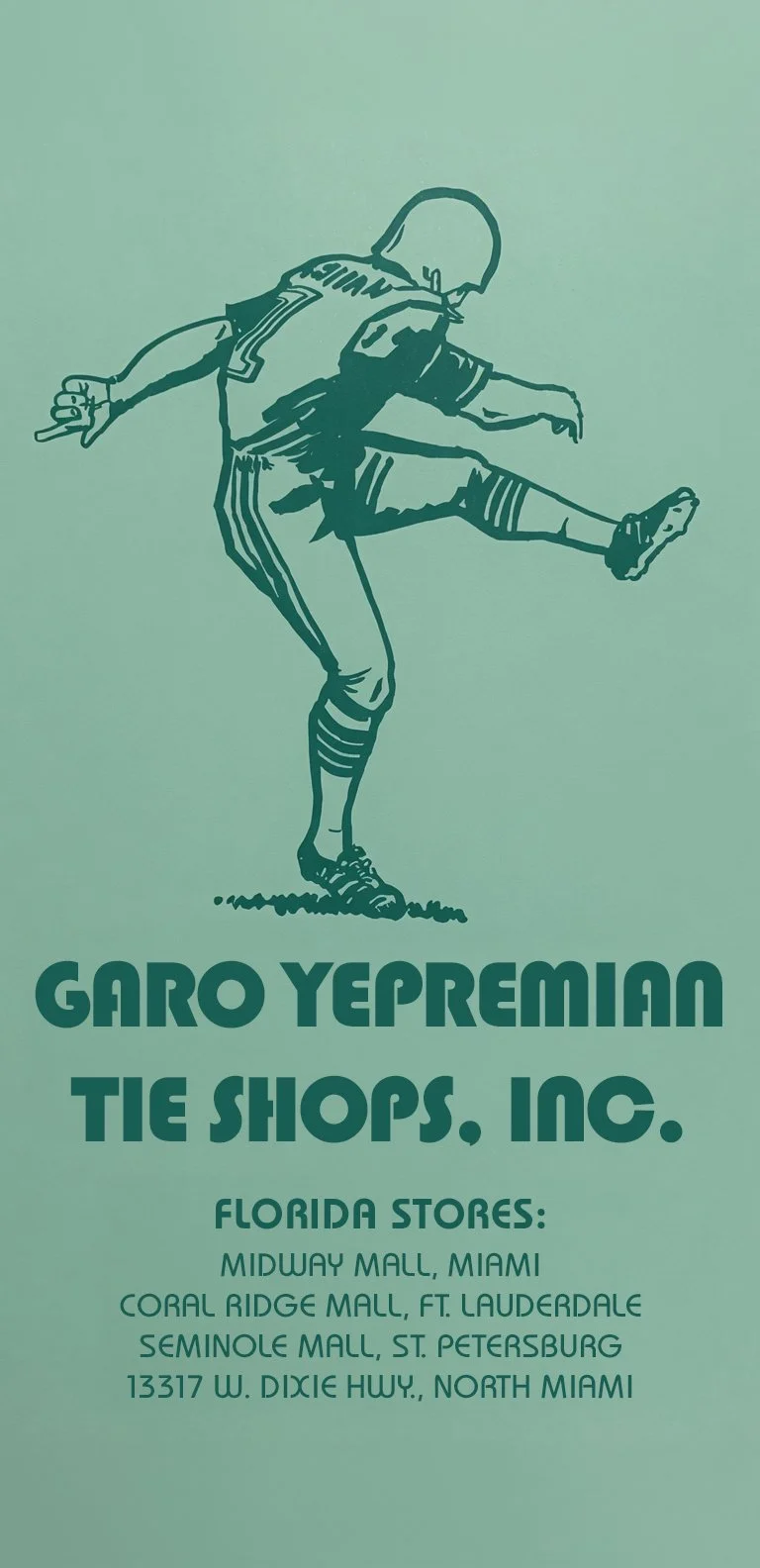
It began with a poorly manufactured tie Krikor purchased in a Michigan department store.
Garo’s brother complained that his brand new necktie was falling apart after only wearing it a couple of times. The family realized that with their experience in fabrics, they could manufacture better ties in their home for the same price, and could help Garo earn a living while trying to catch on with another NFL team.
As business picked up and Garo joined the Dolphins, the brothers outsourced the manufacturing and sold the neckties in Miami-area department stores and mall kiosks. Garo even sold them to his teammates from his car’s trunk. He loved striking colors and patterns, and the ties he wore screamed for attention at banquets and other public appearances. His signature design featuring a dolphin jumping over a goalpost was a fan favorite.
Legendary sportscaster Howard Cosell's dramatic delivery whenever Garo entered the playing field— “the little old tie-maker... and tie-breaker”—made it the signature broadcast description of Garo. Kickers were just beginning to be recognized as game-changing specialists rather than afterthoughts. Garo’s necktie business made this phrase make perfect sense.
One moment nearly defined him. Instead, it became the beginning of his legend.
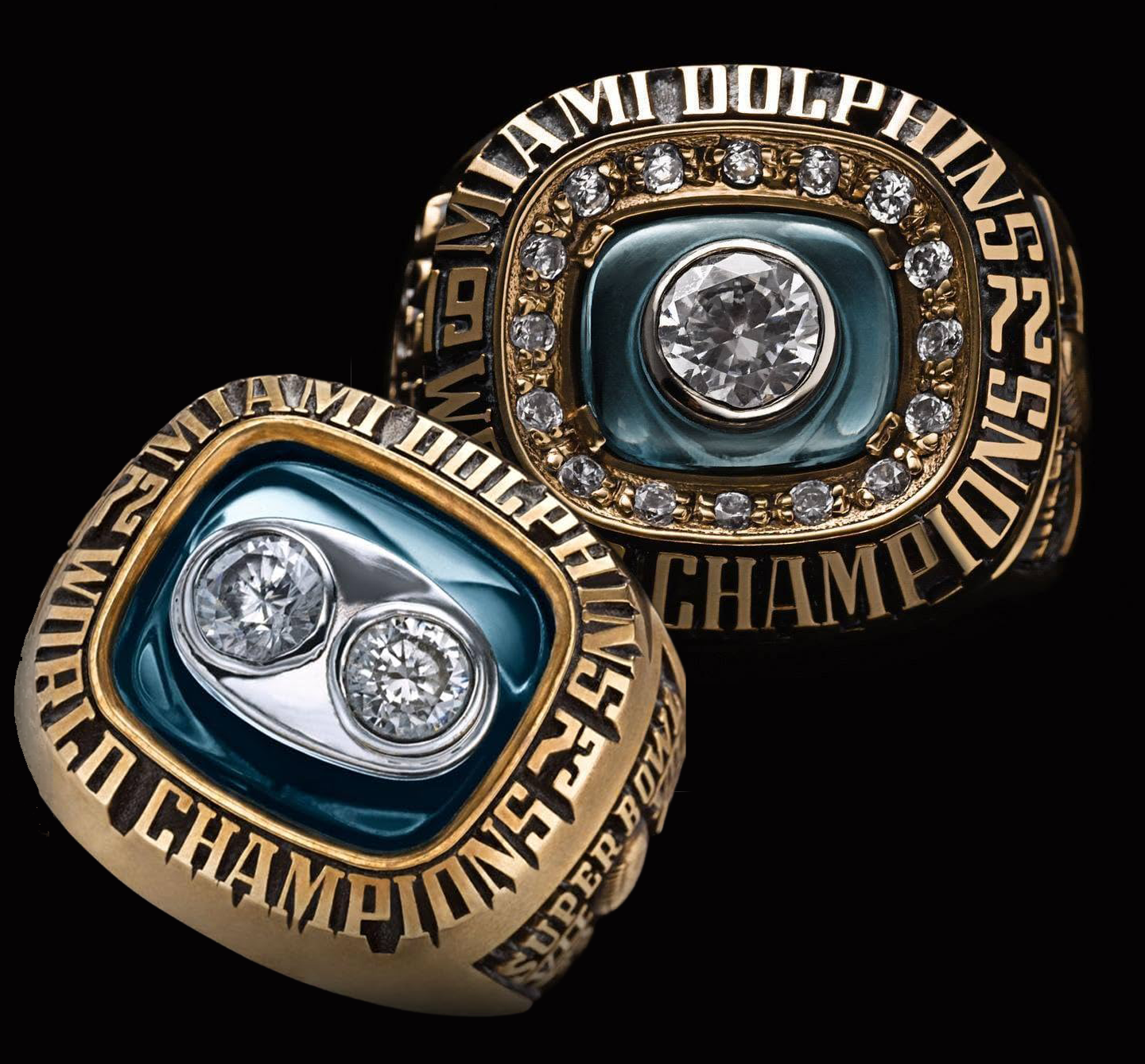
During the 1972 Miami Dolphins’ “Perfect Season,” Garo’s ill-fated pass attempt in Super Bowl VII nearly became the defining moment of the game. With Miami leading 14–0 in the fourth quarter, Don Shula sent Garo out for a 37-yard field goal to put the game out of reach.
Garo’s kick was low, striking a Dolphins player and falling to the ground as a live ball. In a split-second decision, he picked it up and tried to throw it downfield, but the ball slipped from his hands. Washington’s Mike Bass grabbed it and raced 49 yards for a touchdown, cutting the lead to 14–7. Garo gave chase, but Bass was easily able to fake him out and speed away.
There was nowhere to hide. Garo returned to the sideline, hoping the Dolphins defense would preserve the lead—but first he had to face the famously volatile Shula, who simply said, “You should have sat on the damn ball.”
What hurt most was the reaction of his teammates. Men who had celebrated his kicks and embraced him after victories suddenly turned on him in adversity. One teammate warned, “If we lose this game, I’ll kill you.”
Then came a moment Garo never forgot. At his lowest point, 6'5" offensive lineman Norm Evans, a devout Christian, put his arm around him. “Don’t worry about it, Garo. God loves you, and our defense will stop them. And you know what? In all things, give thanks to God. There is a reason for all things.”
The Dolphins held on to win 14–7 and complete the NFL’s only perfect season. But Garo still felt badly despite the victory.
It didn’t keep him down for long. Garo’s innate ability to laugh at himself endeared him to fans, many of whom could relate to making a highly visible mistake. He turned an embarrassing moment into a defining chapter of his career. Miami won another Super Bowl in 1973, and Garo went on to become a two-time All-Pro.
Hall of Fame numbers. All-Decade, All heart. A message he carried across the country.
Garo’s stellar 15 years in the league were recognized by the Pro Football Hall of Fame Committee, as he was named to the NFL's All Decade Team (1970s). After hanging up his kicking shoes in 1981, Garo became a motivational speaker and took the inspirational message of his life story and his love for our country to businesses, schools, and charities in across America. Garo was proof that regardless of physical stature or social situation, anyone can dare to be the best.
Undefeated Spirit
Garo was diagnosed with stage 4 high grade neuroendocrine cancer in 2014. His prognosis was dire, but he never let it affect his positive outlook. Garo passed away in 2015, but his spirit remains undefeated, and an inspiration for all.
Pictured: True friendship– Garo’s former Dolphin roommate and linebacker, Dr. Doug Swift, supports him during chemotherapy
personal life
Maritza (née Javian) Yepremian was attending the University of Miami in 1970 when she decided to get Garo’s autograph for her cousin at a local Miami restaurant autograph-signing event. Before long, they were married and had two sons, Garo Jr. and Azad. The family moved to Pennsylvania in 1991.
Maritza tirelessly supported Garo's charitable events, helping to raise money for Jefferson Hospital in Philadelphia. She also traveled the country with him as he headlined speaking engagements and attended celebrity golf functions benefiting various causes.
Maritza passed away in October of 2025.
Career Moments
-
![]()
1966
NFL record 6 field goals in one game, vs Minnesota
-
![]()
1971
37 yd field goal in the AFC Divisional Playoffs vs Kansas City ends the longest game in NFL history
-
![]()
1972
Three field goals (38, 42, and 51 yds vs the Vikings) keep the Dolphins' undefeated season alive as they win by a score of 16-14.
-
![]()
1972
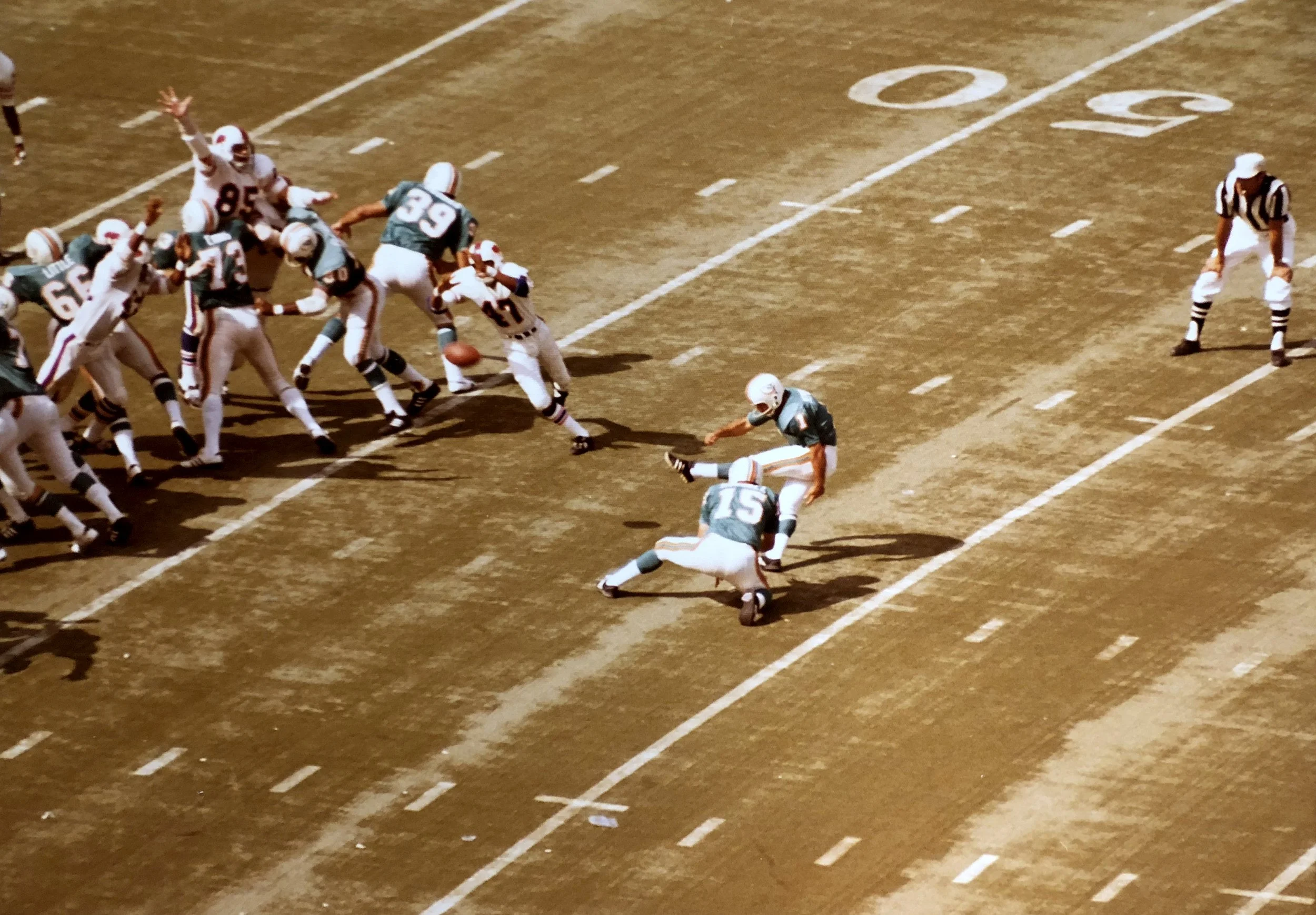
Garo's longest kick (54 yds vs Buffalo) sustains Miami's unbeaten streak as the Dolphins edge the Bills, 24-23.
-
![]()
1974
Garo is named Pro Bowl MVP after converting on five field goals
-
![]()
1979
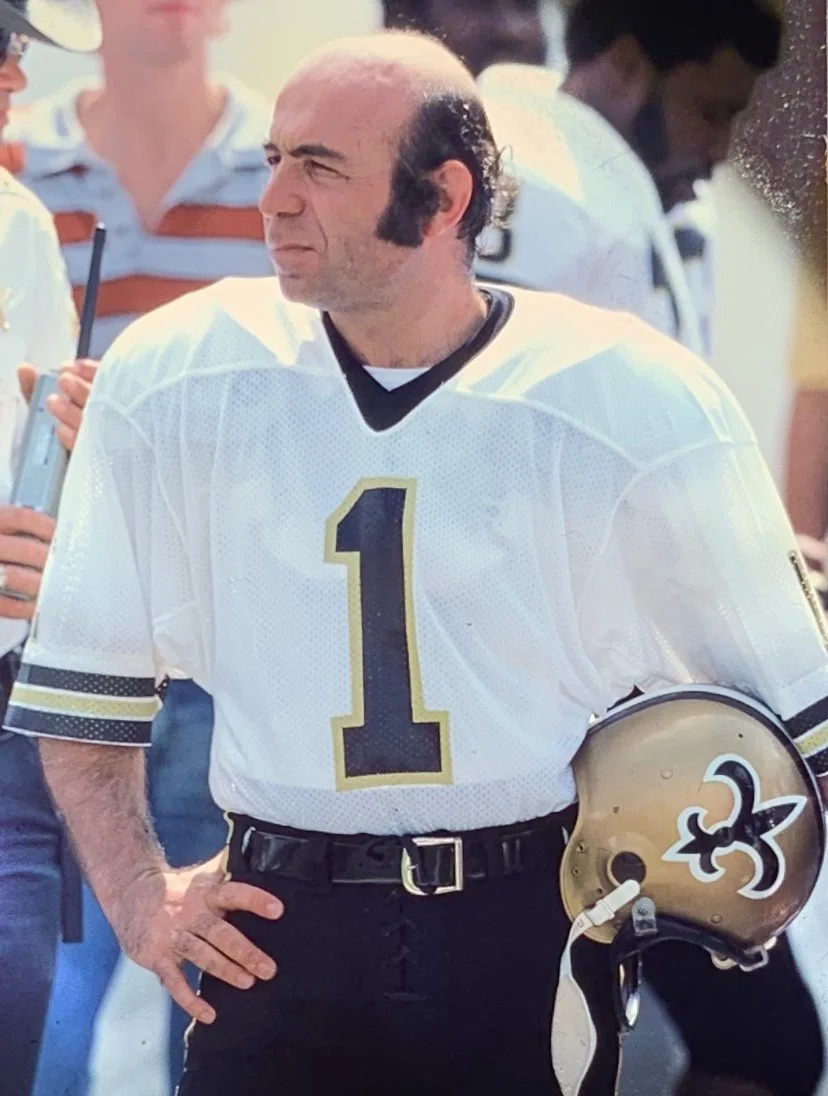
Streak of 20 successful field goals sets an NFL record, as a member of the Saints
-
![]()
1980
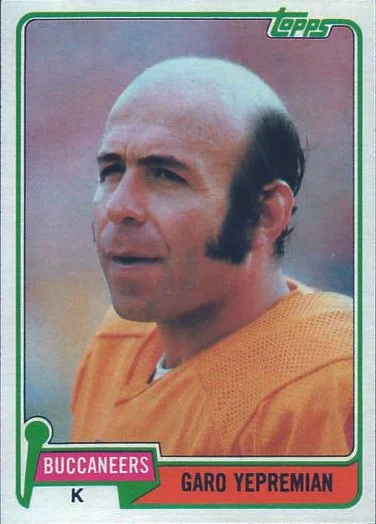
Garo surpasses career milestones of 1,000 points and 200 field goals scored, as a member of the Buccaneers
-
![]()
1980
Garo is named to the NFL's All-Decade Team for the 1970s
-
![]()
2015
Garo is voted one of the 50 Greatest Players in Miami Dolphin history



Accomplishments & Accolades
All Decade Team, NFL (1970s)
All Decade Team, Sports Illustrated (1970s)
Top 50 Greatest Players in Miami Dolphins History
Overall leading scorer, NFL (1970s)
Record six field goals in one game (Lions vs. Vikings, ‘66)
Ended longest game in NFL history, 82 min, 40 sec, (Dolphins vs. Chiefs, div. playoff, ‘71)
Current second leading scorer all-time, Dolphins
Leading scorer, Dolphins (‘70-’78)
Leading scorer, NFL (‘71)
NFL Players Association AFC Kicker of the Year (‘71)
Most total points, NFL (‘70-’79)
Scored in Super Bowls VI, VII, VIII (total 11 pts)
2x NFL Pro Bowl (‘74, ‘79)
2x NFL All Pro (‘71, ‘73)
Pro Bowl MVP (‘74)
Record 20 consecutive field goals (‘79)
Nominated, Pro Football Hall of Fame
Member, Florida Sports Hall of Fame
1,000+ points, 200+ field goal conversions
Longest NFL career for players who did not play college football
Numerous national and local awards, charitable/humanitarian efforts
Quotables
-
![]()
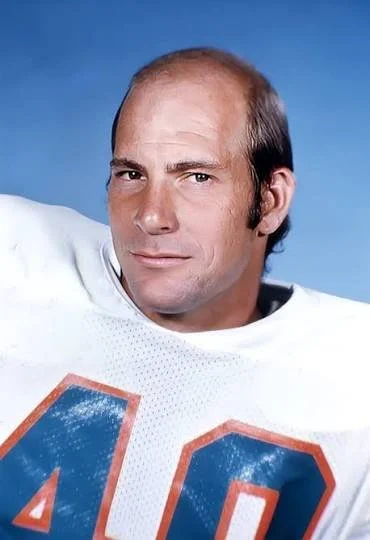
“Garo was one of the most beloved players in Dolphins history. He always had a smile on his face and brought joy to everyone around him. He never met a stranger.”
—Don Shula
-
![]()
“There will never be another Garo Yepremian. He was one of the reasons our team was so close. He made everybody smile– he loved people.”
—Larry Csonka
-
![]()
“He was a tremendous teammate and a wonderful friend. Everyone loved Garo. He was the life of the team.”
—Bob Griese
-
![]()
“Garo earned my respect forever when he refused to cross the picket line during the player’s strike in 1974. He wasn't one of the highest-paid players, and he had every reason to think about himself first. Instead, he stood with his teammates. That told me everything I needed to know about his character.”
—Nick Buoniconti
-
![]()
“Garo was an entrepreneur, he was a hustler. I’d hear about a number of things he was doing and he’d smile and say, ‘I’m making it. I’m doing good.”
—Dick Anderson
-
![]()
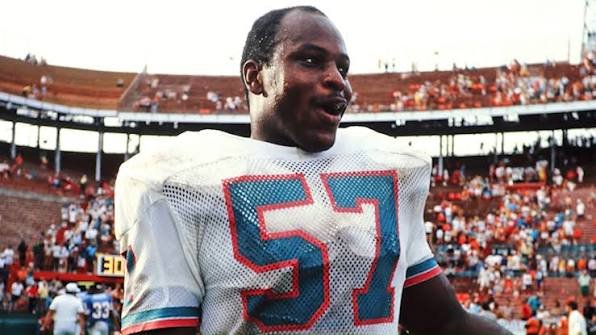
“Garo represented everything that was good about being a Dolphin.”
—Dwight Stephenson
-
![]()
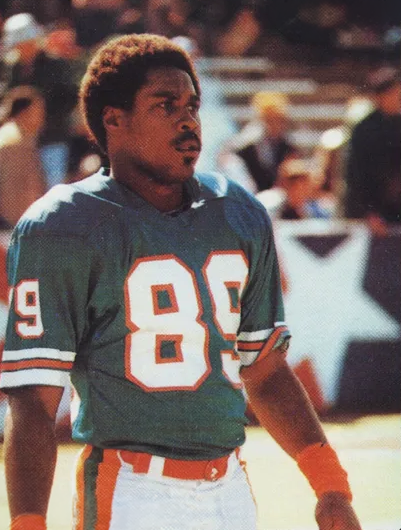
“No one made more pressure kicks than Garo. While Garo is also remembered for his ill-fated pass attempt following a blocked kick in Super Bowl VII, even that miscue demonstrated his competitiveness — he was just trying to do whatever it took to make a play. And that was a singular exception in Garo’s outstanding career in Miami.”
—Nat Moore
-
![]()
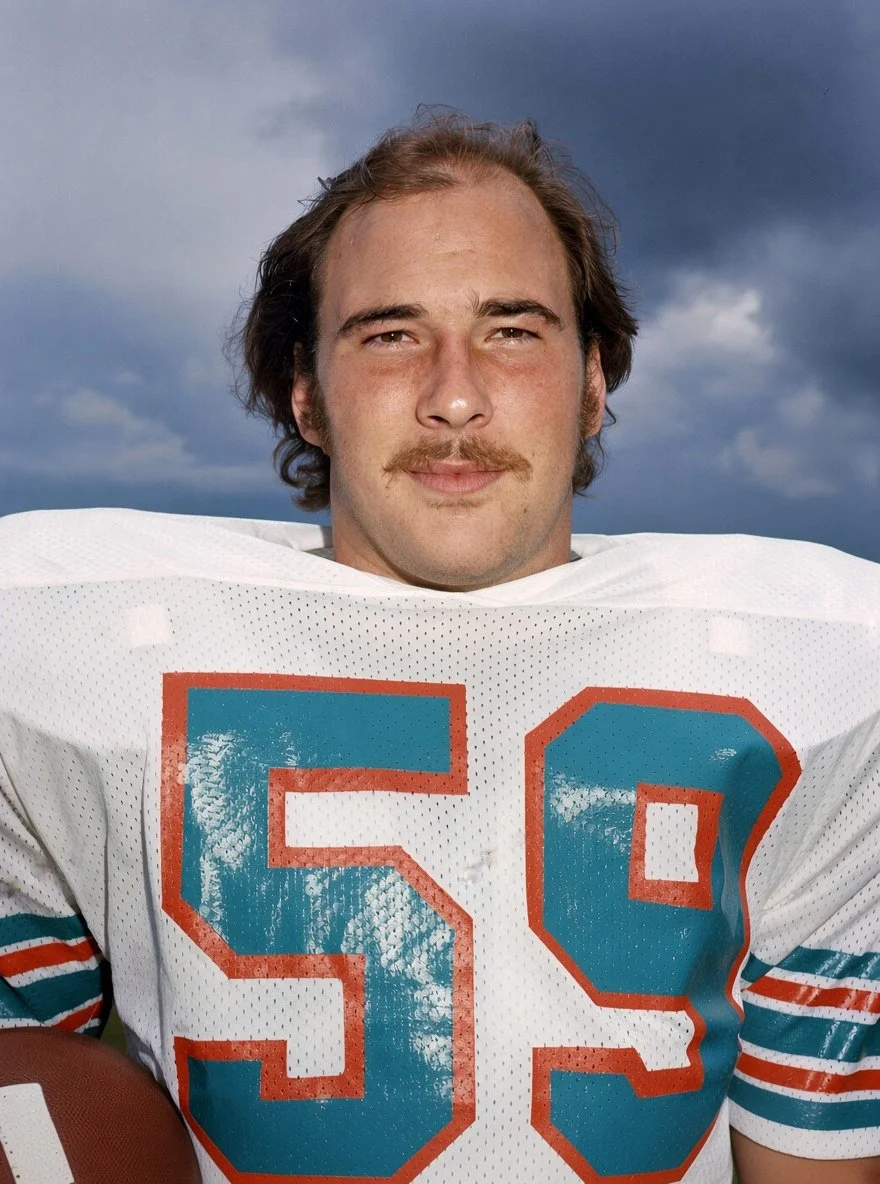
“When we were going out for dinner, I would always stick with Garo because I knew that wherever we would end up, it was going to be good.”
—Doug Swift